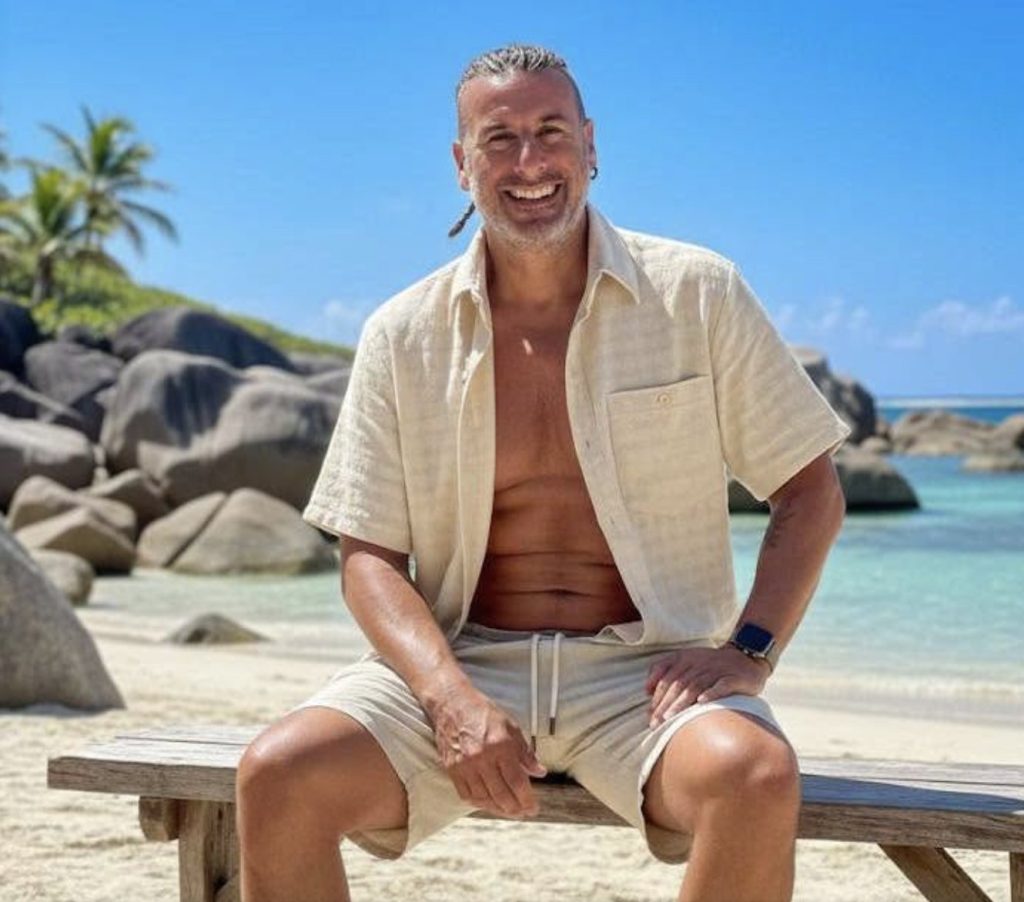

When I founded Sober Services in 2008, I was making a bet that looked, to most people around me, faintly ridiculous: that European families would pay a professional to help them do the hardest thing a family ever does — confront a loved one’s addiction with structure, dignity and a plan. Intervention was established practice in North America. In Europe, it barely existed as a profession at all. I was among the first professional interventionists working outside North America, and some days it felt like the only one.
The gap nobody was filling
By 2008 I’d been sober seven years and working in addiction treatment for five. Again and again I watched the same tragedy repeat: a treatment centre with beds and expertise on one side, a sick person refusing help on the other, and between them a family paralysed — loving, desperate, and making it worse through sheer untrained desperation. The treatment sector waited for people to arrive. Families needed someone who could go and get them.
North America had answered that problem decades earlier with the professional interventionist: a trained specialist who works with the family, prepares them properly, and leads a structured process designed to break through denial and get the person into treatment. Europe simply didn’t have that. What it had instead was families improvising the most consequential confrontation of their lives, usually badly, usually once, and usually with permanent damage — or waiting passively for a rock bottom that, for too many people, never comes before the morgue does.
Building from nothing
Starting a profession, rather than just a business, meant inventing everything at once. There was no training to take, so I built the methodology from practice — the approach that eventually became The Seven Stages of The Sober Intervention, the framework I still teach through Sober Academy today. There was no market awareness, so every client relationship began with an education: what an intervention actually is, why it isn’t the shouting ambush of television, why the family is the real client, why preparation takes longer than the meeting itself.
And there was no roadmap for the services families needed around the core work. So Sober Services grew organically around real need:
- Interventions — the heart of the practice, and the reason everything else existed.
- Sober companions — because getting someone into treatment was only half the battle; the first fragile weeks after discharge needed a trained, steady presence.
- Sober transport — because the journey from the family home to the treatment centre door is one of the highest-risk moments in the entire process, and it deserves a professional, not a taxi and a prayer.
- Rehab rescue — because people leave treatment early, against advice, at exactly the moment their families least know what to do, and someone has to respond quickly and skilfully.
What the early days taught me
Looking back across nearly two decades, a few lessons from those founding years stand out.
Families are braver than they believe. Given structure and honest guidance, ordinary families consistently do extraordinary things. The interventionist’s job is largely to give them permission and a process.
Desperation attracts predators. An unregulated sector serving frightened people will always draw the unqualified and the unscrupulous. Watching that happen in the years after 2008 is a large part of why I later founded Sober Academy in 2015 and co-founded the European Association of Recovery Specialists in 2017. Standards aren’t bureaucracy; they’re protection.
The work only works when it’s done properly. Half-trained intervention is worse than none. Everything I’ve built since has been an attempt to make “properly” teachable and repeatable.
Where it led
Those early days were lonely more often than I admitted at the time — explaining a profession that didn’t officially exist, to referrers who’d never heard of it, for families who needed it urgently. But every successful intervention made the next conversation easier, because outcomes are the only marketing that matters in this work.
Sober Services changed my life and, I’d like to think, the lives of a great many families. It led directly to Sober Academy, to EARS, to my book It’s Not About Me!, and in a straight line to my work today as Managing Director of Holina Global — where the same conviction that started it all now runs through treatment centres in Thailand and Cyprus.
The gap I saw in 2008 is smaller now, partly because of the people we’ve trained. That’s the real legacy of those early days: not a company, but a profession that exists in Europe because a handful of us decided it should.
If your family is facing the situation I’ve described here, please don’t improvise the most important conversation of your lives. Get in touch — I’ll help you find the right professional support. And for the full story behind all of this, my book It’s Not About Me! is free to download from this site.